
September 29
International Day of Awareness of Food Loss and Waste
Join the global movement and help reduce food waste on International Day of Awareness of Food Loss and Waste - every effort counts!

Introduction
Let's celebrate International Day of Awareness of Food Loss and Waste on Sept. 29 by taking action to reduce food waste! We can all make a difference in helping to raise awareness on this important issue, as around one-third of the food produced in the world is lost or wasted every year. This day was first established by the United Nations in December 2019 with the goal of reducing the amount of food that goes to waste and increasing efficiency in food production. So join us in showing your commitment to fighting global hunger and reducing our carbon footprint – let's work together to make a difference!
International Day of Awareness of Food Loss and Waste Timeline
How to Celebrate International Day of Awareness of Food Loss and Waste
1
Reduce food waste
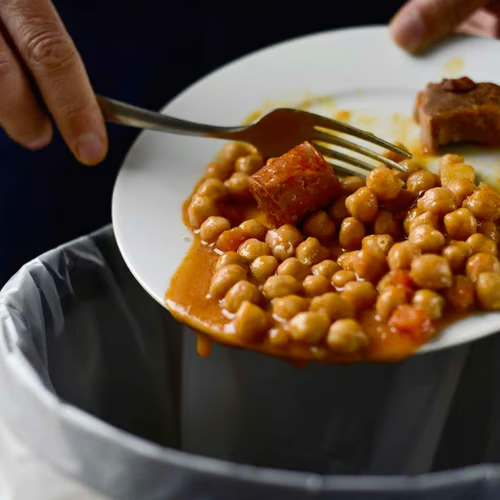
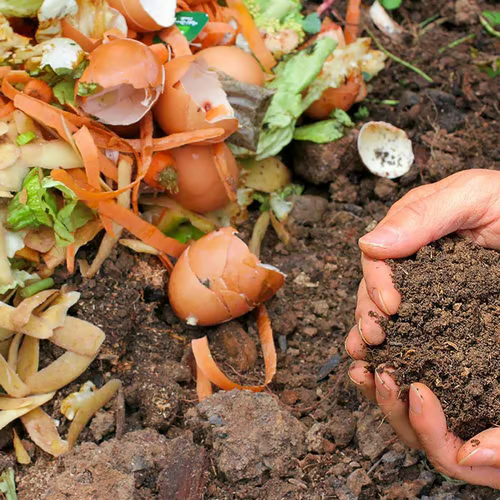
Start by taking steps to reduce the amount of food waste you create. Try to only buy what you need, use up leftovers and compost kitchen scraps.
2
Share extra food
If you have extra food that you are not able to eat or use, consider sharing it with friends or donating it to a food pantry. There are also apps that can help connect people with extra food with those in need.
3
Support local farmers
Buying local produce from farmers, who are using sustainable growing methods, can help reduce the amount of food loss and waste in the supply chain.
4
Grow your own food
Growing your own food is an excellent way to reduce food loss and waste. Plant a garden, start a compost pile and get to know your local farmers markets.
5
Educate others
Help spread awareness about the issue of food loss and waste by talking to family and friends about the importance of reducing food waste. Share facts and stories on social media or host an event to help educate people about the issue.
Why International Day of Awareness of Food Loss and Waste is Important
Food loss and waste has a large environmental impact
Food that is wasted requires energy, water and land resources to produce, but when this food is wasted it goes to landfill where it decomposes and emits potent greenhouse gases. Not only that, but the resources needed to transport uneaten food creates additional carbon emissions and pollution.
Food loss and waste has an economic impact
In addition to the environmental costs of food waste, there are also financial ones. Wasted food means lost revenue for businesses and individuals – both in terms of money spent on production and transportation, as well as the potential profits from sales of those products.
Reducing food loss and waste helps fight hunger
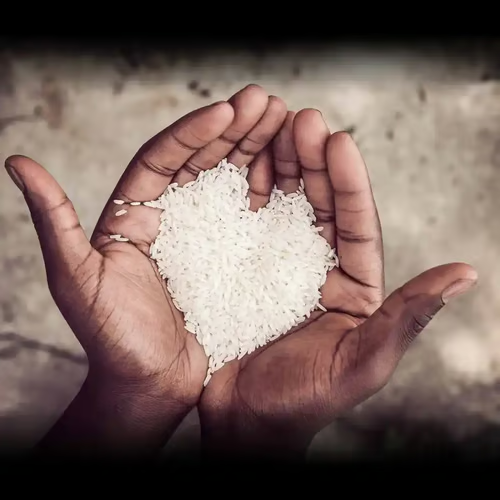
Food loss in developing countries contributes significantly to malnutrition and starvation. By reducing our global food losses, we’re able to redistribute what would have been wasted food to those in need around the world – helping fight poverty while helping those on the brink of starvation.
Holiday Dates
| Year | Date | Day |
|---|---|---|
| 2023 | Friday | |
| 2024 | Sunday | |
| 2025 | Monday | |
| 2026 | Tuesday | |
| 2027 | Wednesday |