June 17
Islamic New Year
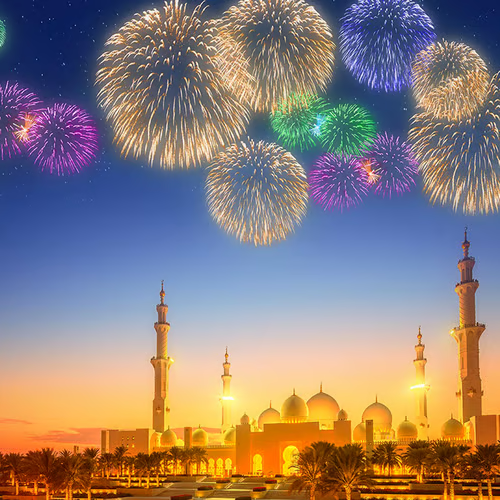
Welcome the Islamic New Year with hope, prayer, and joyful celebration! Embrace the promise of renewal and spiritual growth.

Introduction
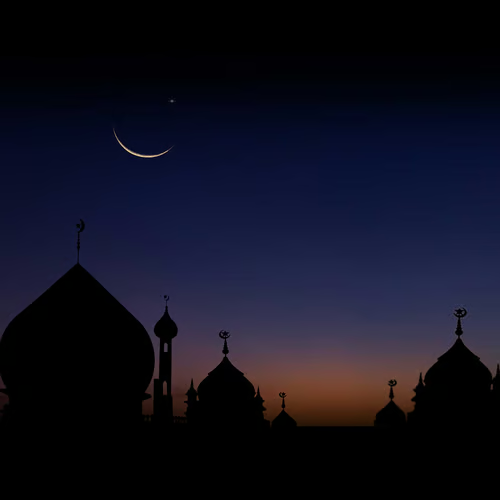
Mark your calendars for the vibrant, spiritual observance of Islamic New Year on July 6. This significant event, otherwise known as Hijri New Year, revolves around the lunar Islamic calendar rather than the Gregorian calendar most of us are familiar with. Are you aware that this day signifies the beginning of Prophet Muhammad's migration from Mecca to Medina in the year 622, marking the start of the Islamic era? So let's revel in the dawn of Islamic New Year, and celebrate this day infused with deep historical significance, hope, and joyous renewal. This day offers us an exciting chance to learn and appreciate the rich tapestry of Islamic traditions while paying respect to their history. So let's embrace these spiritual wonders and welcome the Hijri New Year with open hearts!
Islamic New Year Timeline
How to Celebrate Islamic New Year
1
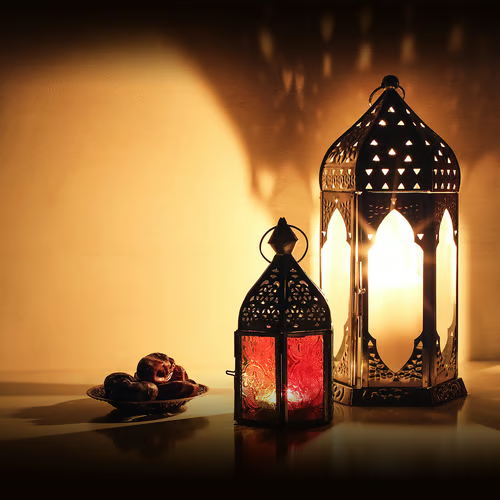
Prepare a symbolic meal
Cook a meal that adheres to Halal dietary restrictions and signifies unity and gratitude. This meal can include delicious dishes from different Islamic cultures, symbolism of Prophet Muhammad's journey, or even dishes with dates, since they're traditionally eaten for breaking fast during Ramadan.
2
Study an important Islamic text
Gather family members or friends and take time to study and discuss one of the key texts of Islam. Try starting with the Quran, Hadith, or Sunnah to gain a revelatory experience into Islamic history.
3
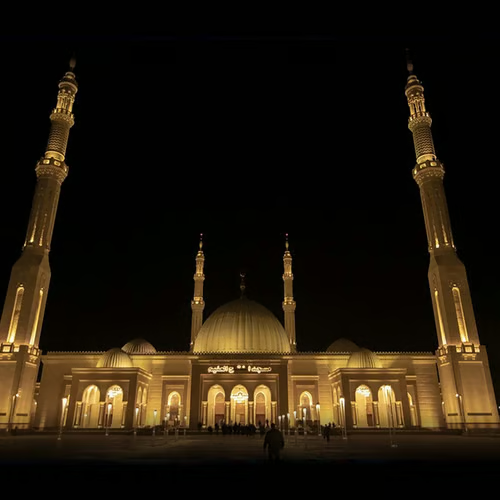
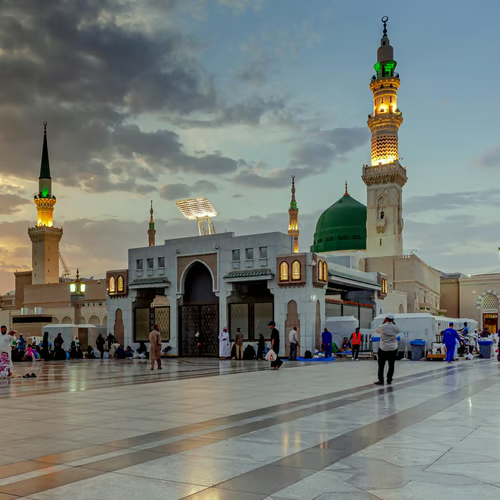
Visit a mosque
On this significant day, spend time at your local mosque for prayers and community connection. It's a wonderful opportunity to engage more deeply with Islamic culture and traditions.
4
Donate to a charity
In the spirit of Islamic generosity and compassion, consider making a donation to a charity or organization that's meaningful to you. This act of giving serves as a reminder of the Islamic value of Zakat, or almsgiving.
5
Reflect and set intentions
Set aside some time for personal reflection and to set intentions for the new Islamic year. This can involve writing in a journal, praying, or meditating on hopes and goals for the future.
Why Islamic New Year is Important
Revisiting important Islamic history
Islamic New Year, also known as Hijri New Year, marks a significant event in Islamic history. It not only symbolizes the beginning of the Islamic era, but also commemorates Prophet Muhammad's journey from Mecca to Medina, making it a holiday intertwined with deep historical significance. It presents an opportunity to learn and understand Islamic traditions and history.
A chance for renewal and setting intentions
Islamic New Year marks a new beginning on the Islamic lunar calendar. It's a time for spiritual renewal, personal reflection, and setting intentions for the coming year. Individual goals may be set and prayers made in order to get the new year off to a positive and thoughtful start.
An opportunity to engage more deeply with Islamic culture
Islamic New Year is also a wonderful opportunity to engage more deeply with the Islamic culture, whether it's through preparing a meal that adheres to Halal dietary restrictions, studying an Islamic text, visiting a mosque, or making a charitable donation. It provides an occasion to celebrate and respect the rich tapestry of Islamic traditions.
Holiday Dates
| Year | Date | Day |
|---|